
 LiveSport
Betting and live odds
A two-second lead is a broken market. Viewers see the play as the stadium does.
Xtream takes OBS in over WHIP and delivers to browsers over WHEP in under 300 milliseconds. No JVM, no cluster, no transcoding pipeline — a single 30 MB Go binary that idles at less memory than a browser tab.
$50/month per server · $40/month billed annually · cancel anytime

Most latency in streaming comes from buffering and re-encoding. Xtream does neither. Packets arrive, get matched to subscribers, and leave.
WHIP is native in OBS 30+. Point it at your server and hit Start Streaming. No plugin, no RTMP bridge.
A pure SFU. RTP packets are relayed untouched — no decode, no re-encode, no transcoding pipeline to fall behind.
WHEP over plain HTTP into a native RTCPeerConnection. The player detects the stream and starts on its own.
Activates your key, verifies the checksum, installs a systemd unit, and starts streaming.
curl -fsSL https://stream.dxform.ph/install.sh | sudo sh -s -- --key=XT-••••-••••-••••-••••Anywhere the audience can hear the room next door, or refresh a scoreboard, delay stops being a technical detail and starts being the product.
LiveSportA two-second lead is a broken market. Viewers see the play as the stadium does.
LiveMusicRemote audiences react with the room instead of behind it — chat and applause stay in sync.
 LiveGaming
No delay to game against, so casters and viewers share one clock.
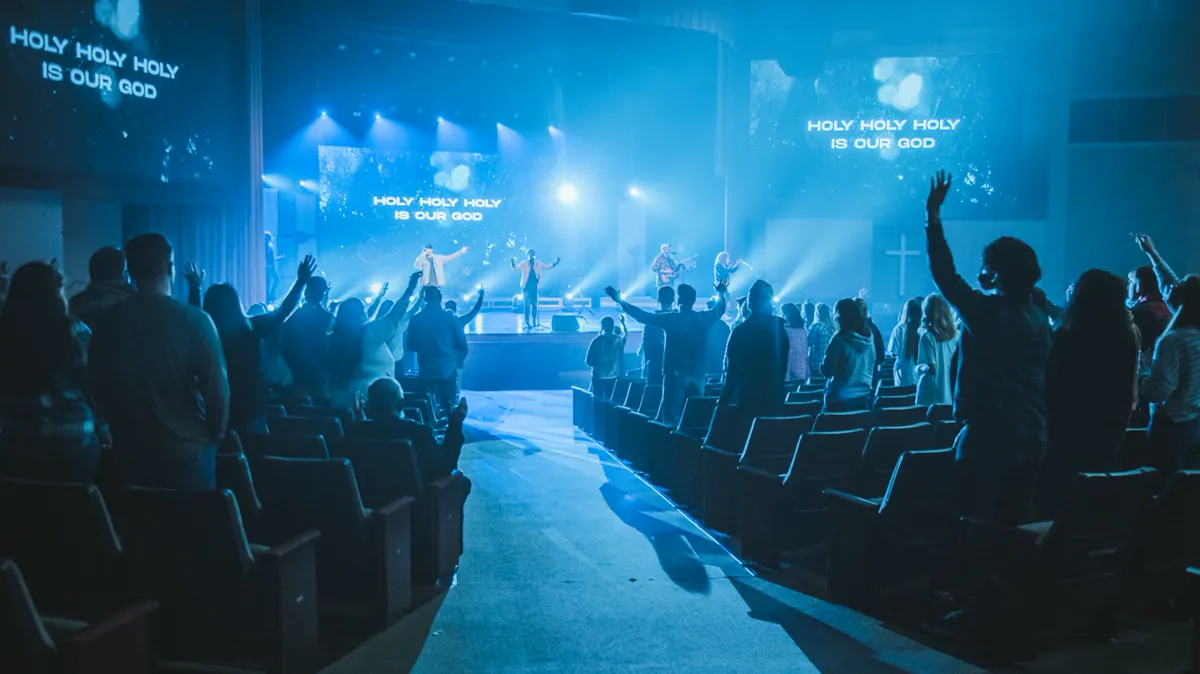 LiveCommunity
One small server carries the whole congregation, on hardware you already pay for.
 LiveBusiness
Bids land against what is on screen right now — latency is the product.
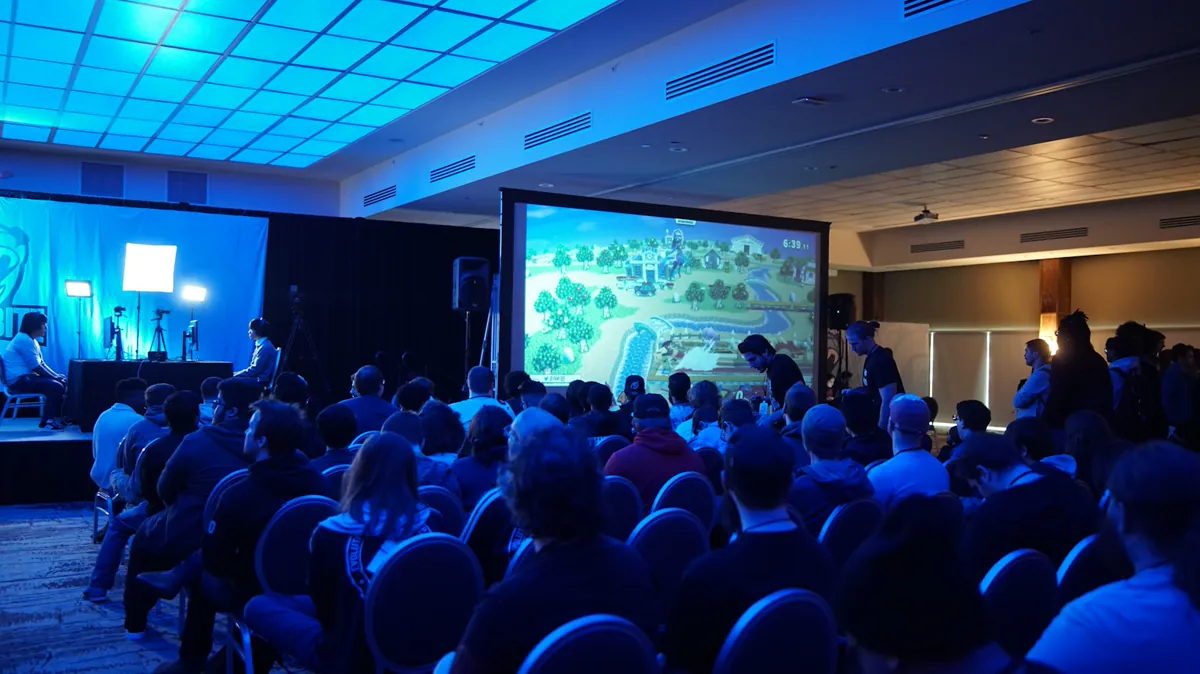 LiveEvents
Remote attendees ask questions while the speaker is still on the point, instead of a minute after it.
The incumbent in this space is a Java application server. Here is the difference that makes, measured on the same workload.
| Metric | Java media server | Xtream |
|---|---|---|
| Baseline memory | 300–800 MB | 15–30 MB |
| Startup time | 10–30 s | < 1 s |
| Latency | 500–800 ms | < 300 ms |
| Install size | Hundreds of MB + JVM | One 30 MB binary |
| Deployment | WAR files, JVM tuning | curl | sh |
| CPU, 1 stream + 10 viewers | High — threads, GC | Negligible |
On your Linux server — a $5 VPS is enough to start. We sell the license; you own the infrastructure, the bandwidth, and the data. Nothing about your streams passes through us.
Yes. The installer activates your key before it downloads the binary, and the server verifies its license at every boot. One key binds to one machine; you can move it to new hardware from your dashboard.
Nothing, for a running server. It carries a signed 24-hour entitlement token and keeps streaming for a full day without reaching us. A live broadcast is never interrupted by an outage on our side.
Around 100 concurrent viewers per vCPU for a single publisher, because packets are forwarded rather than transcoded. Viewers are not metered or capped by your license — only servers are.
H.264 and Opus pass straight through, which is what OBS sends by default with WHIP. There is no transcoding, so whatever your encoder produces is what viewers receive.
Yes — each server needs its own key at $50 a month. Add or remove servers from your dashboard and billing follows automatically.
Subscribe, copy your key, paste one command into your server. Point OBS at it and you're live.
Already a customer? Sign in to your dashboard